

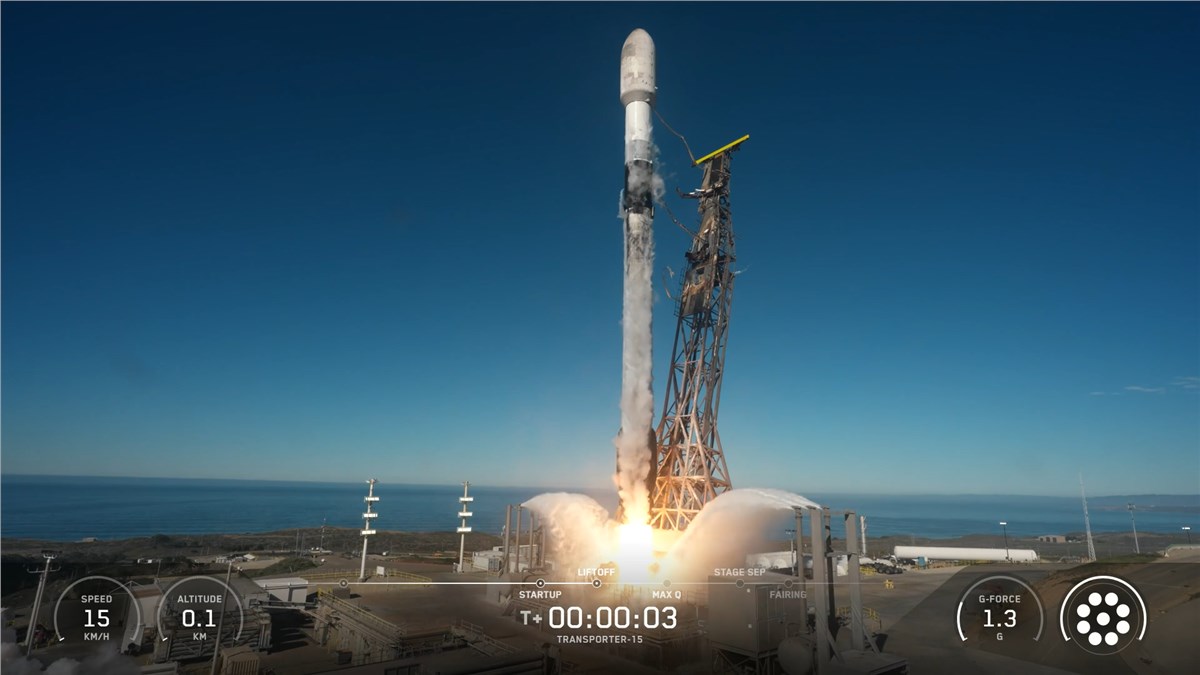
The European Space Agency’s (ESA) first “Scout” mission, HydroGNSS, has successfully launched, ushering in a new era of rapid, cost-effective Earth observation. The twin satellites, built and operated by the UK’s Surrey Satellite Technology Ltd (SSTL), rode to orbit on a SpaceX Falcon 9 rocket from California on November 28th.
The mission employs a novel technique called Global Navigation Satellite System (GNSS) reflectometry to track vital hydrological variables. By analysing how signals from GPS and Galileo satellites bounce off Earth’s surface, HydroGNSS will measure soil moisture, the freeze-thaw state of land, surface water inundation, and above-ground biomass. These small satellites will orbit 180 degrees apart, working in tandem to provide a comprehensive view.
HydroGNSS aims to transform our understanding of the global water cycle and climate change impacts. Its data will support practical applications like flood prediction, agricultural water management, and monitoring methane-emitting wetlands hidden beneath forests. The mission is a cornerstone of ESA’s FutureEO programme, exemplifying agility by moving from concept to orbit in just three years on a budget capped at €35 million.
“HydroGNSS marks an important milestone for this new family of rapid, low-cost Earth observation missions,” said ESA’s Director of Earth Observation Programmes, Simonetta Cheli. “We now look forward to seeing how it will deliver valuable insights into key hydrological variables.”
The same SpaceX rideshare flight also carried satellites for national programmes in Italy and Greece, developed with ESA’s support. Italy’s IRIDE constellation will monitor environmental factors, while Greece’s new ICEYE satellites will enhance national capabilities in disaster management and security. Both projects are funded by the EU Recovery and Resilience Facility.
