

The suspected sabotage of critical submarine cables and pipelines in the Baltic Sea has fundamentally reshaped the strategic importance of underwater infrastructure protection. These assets, which form the backbone of global energy transmission and communications, were historically the sole responsibility of their commercial owners and operators. However, the rising tide of geopolitical tensions and the catastrophic potential of large-scale disruptions have compelled national militaries to assume a central and expanding role in their defense.
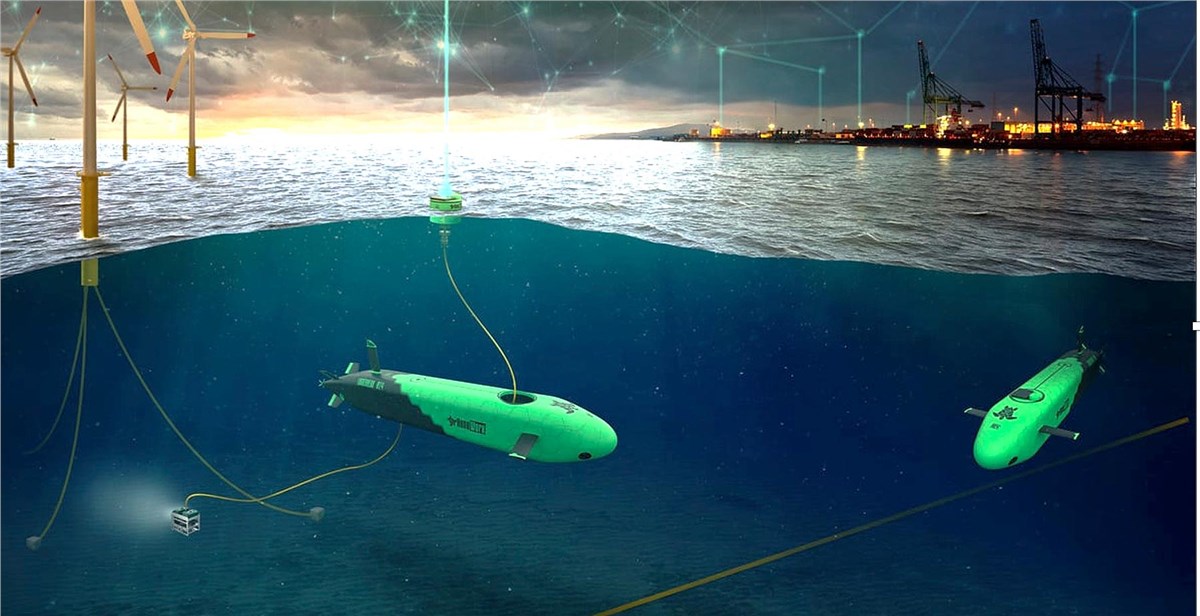
This military involvement represents a paradigm shift in safeguarding subsea domains. Armed forces deploy advanced capabilities far exceeding the reach of commercial entities. This new protective umbrella includes sophisticated systems such as military-grade sonar arrays for wide-area surveillance, Autonomous Underwater Vehicles (AUVs) for persistent patrol and inspection, and integrated command-and-control infrastructure for real-time situational awareness. Furthermore, deep-sea threat detection platforms and anti-sabotage monitoring systems are being deployed to identify and deter hostile activity.
This shift is driving a significant expansion in the market for underwater security solutions. The forecast indicates robust growth for technologies that enhance deterrence and enable rapid response to intrusions. Key areas of development include seabed surveillance networks, unmanned underwater vehicles (UUVs), and underwater drones. The focus is on creating a layered defense, merging seabed sensors with surface and aerial platforms to create a comprehensive maritime domain awareness picture. The ultimate objective is to secure these vital arteries against emerging threats through a combination of persistent monitoring and a credible, rapid response capability.
